Skip to content

Electrometers

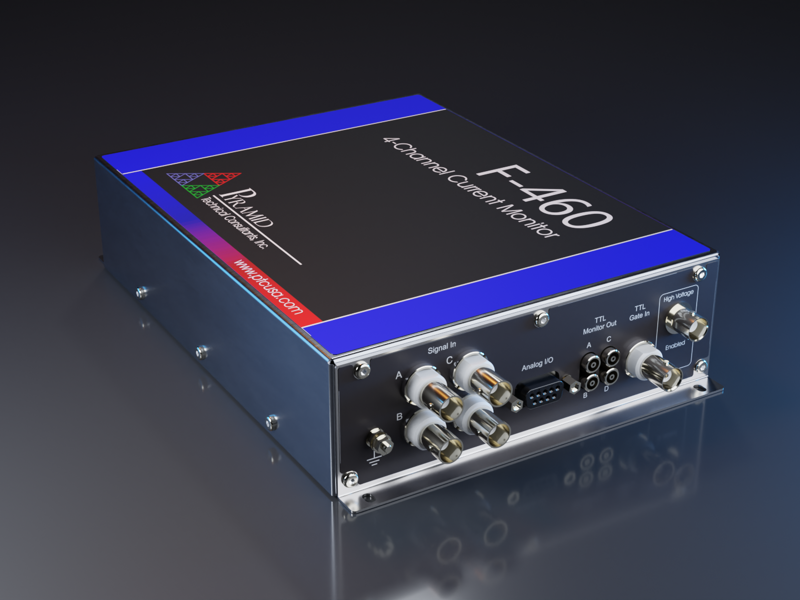
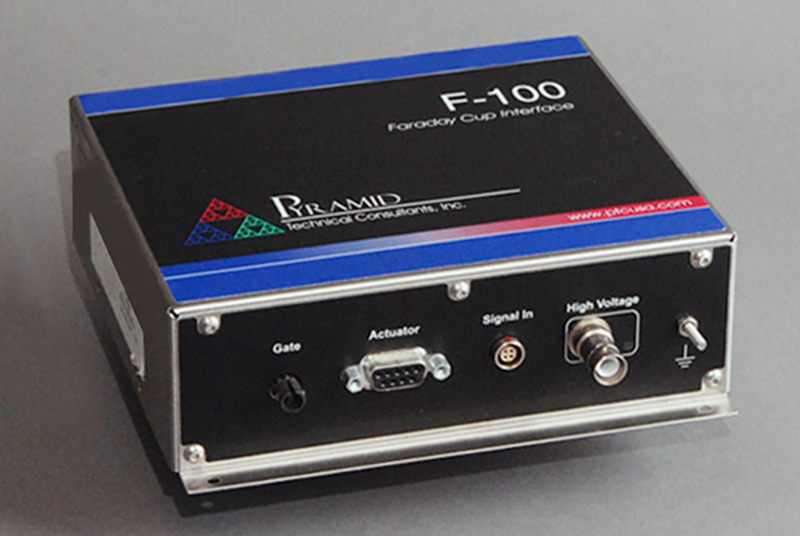
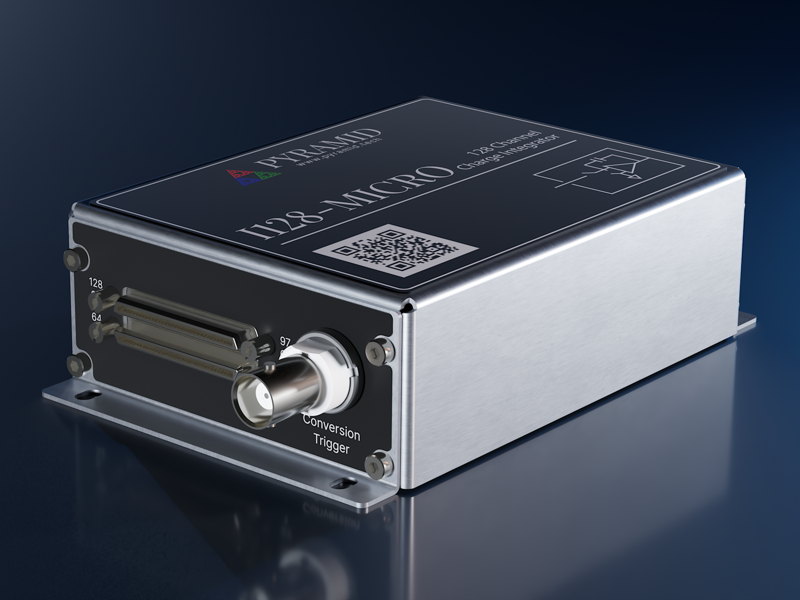
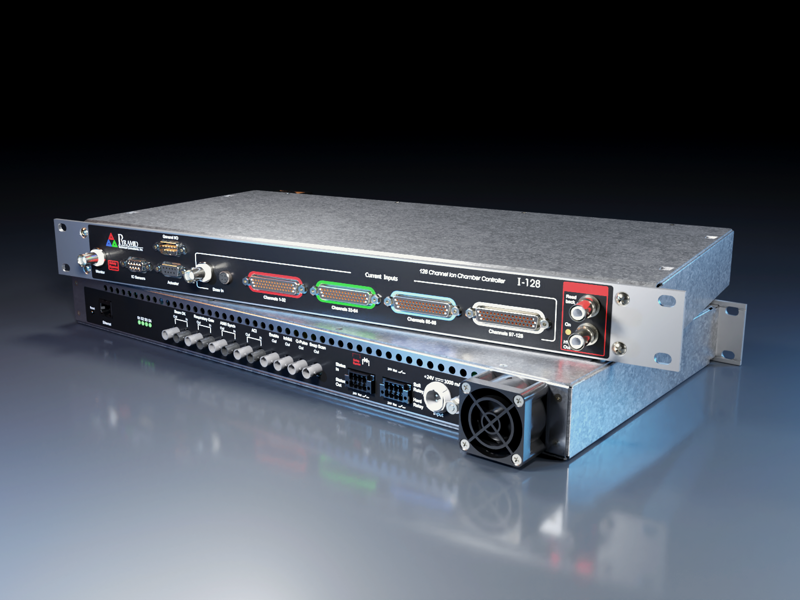
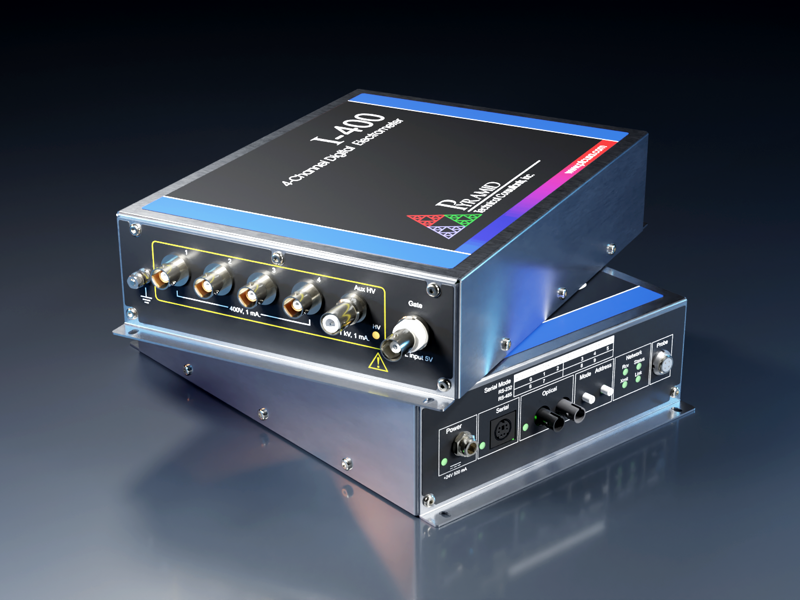
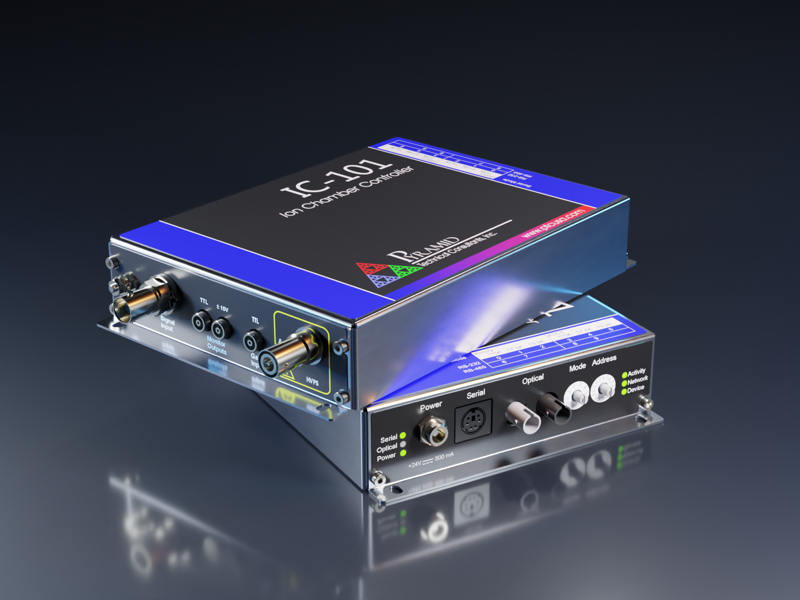
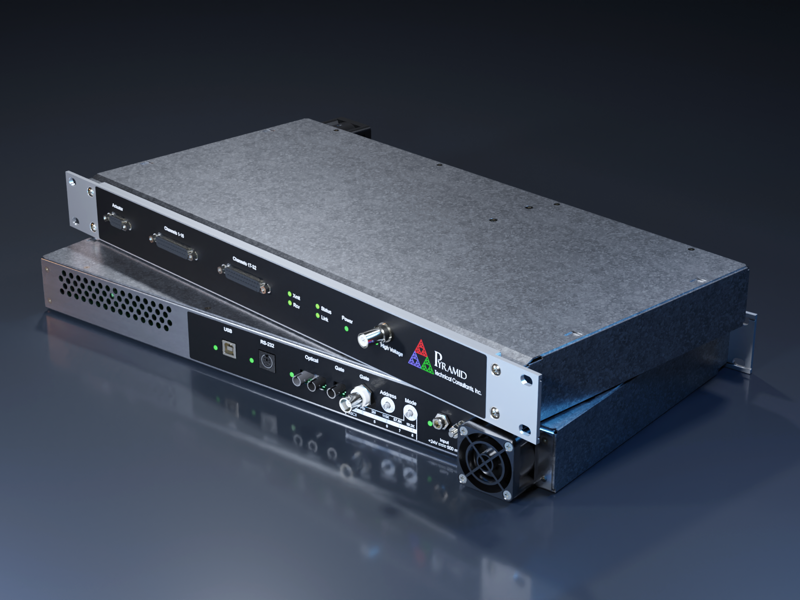
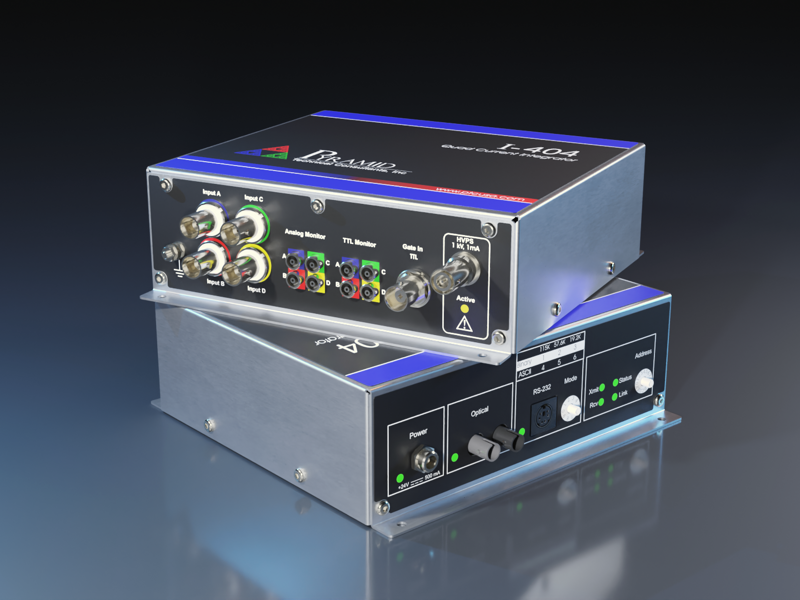
Pyramid electrometers measure picoamp-to-milliamp charge and current with high channel density and fast readback, many with built-in high-voltage bias for detectors and sensors.

Current Measurement

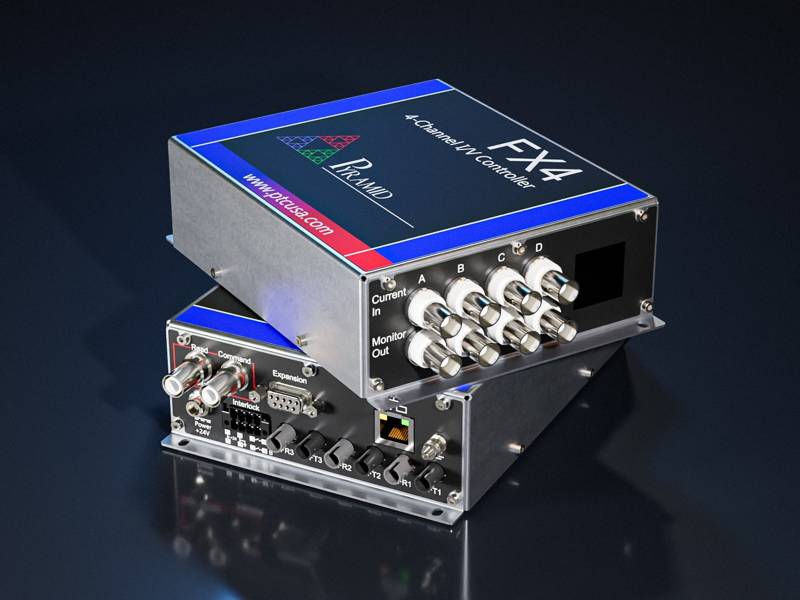
Transimpedance-amplifier readout for nanoamp-to-milliamp, high-speed signals.
Charge Measurement

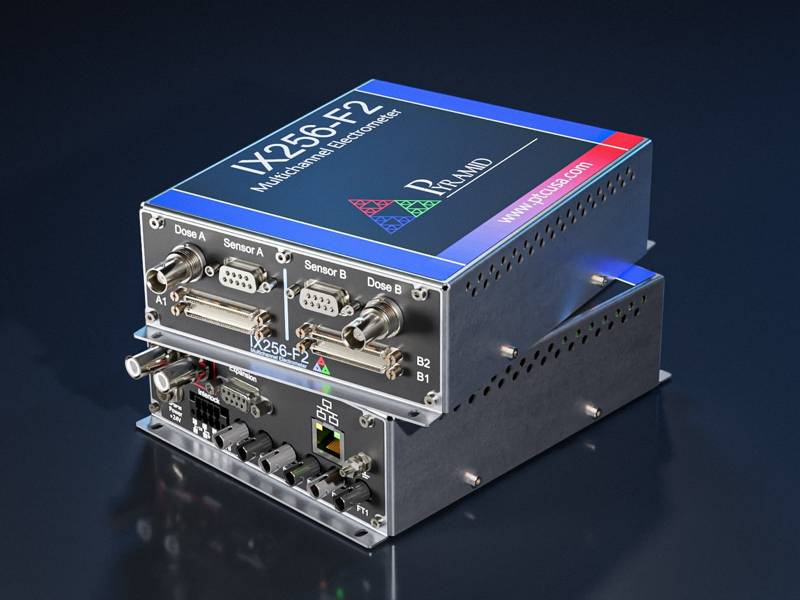
Capacitor-integrator readout for low-noise, ultra-small pulsed currents.
Frequently Asked Questions

What's the difference between measuring charge and measuring current?
Both types of instruments can technically measure charge and current, since charge is just current integrated over time. In practice, though, each is built and optimized for one measurement over the other.
When should I choose a charge-measurement instrument instead of a current-measurement instrument?
Charge-measurement instruments have less intrinsic noise than current-measurement instruments, so they're the better choice when you need to resolve ultra-low currents or charges as precisely as possible. If data speed is the priority instead, a current-measurement instrument is usually the better fit, since current-measurement instruments are intrinsically faster.
When should I choose a current-measurement instrument instead of a charge-measurement instrument?
Current-measurement instruments are intrinsically faster, so they're the better choice when data speed is the priority. If instead you need to resolve ultra-low currents or charges as precisely as possible, a charge-measurement instrument is usually the better fit, since charge-measurement instruments have less intrinsic noise.
What kinds of detectors can Pyramid's charge-measurement instruments work with?
They're designed to read out charge-producing detectors such as ionization chambers and other radiation and particle detectors that generate a small electrical charge in response to a signal.
What types of detectors typically pair with current-measurement instruments?
Detectors that produce a continuous or pulsed current in response to radiation, particles, or light, such as ionization chambers, photodiodes, and similar sensors.
How small a charge can these instruments detect?
Sensitivity varies by specific model and configuration. Pyramid's electrometers are built for precision picoamp-to-milliamp-range work, but for an exact sensitivity spec for your application, contact us or check the datasheet for the specific instrument you're considering.
What range of currents can these instruments measure?
They're built for low-current measurement from detectors, typically down into the picoamp range. Exact ranges vary by model; see the specific product's datasheet or contact us for your application's requirements.
What applications typically require precision charge measurement?
Common uses include dosimetry in radiotherapy and beam diagnostics, scientific instrumentation reading out ionization or semiconductor detectors, and any application where you need to know the total charge delivered by a pulsed or transient signal.
Do these instruments support both continuous and pulsed signals?
Many are designed to handle both, but the right configuration depends on your signal characteristics and timing requirements. Reach out and we can help match an instrument to your application.

Further Reading

Contact Sales & Engineering
Get in touch with our sales and engineering team to discuss your project.